

Learning Is Not a Spectator Sport
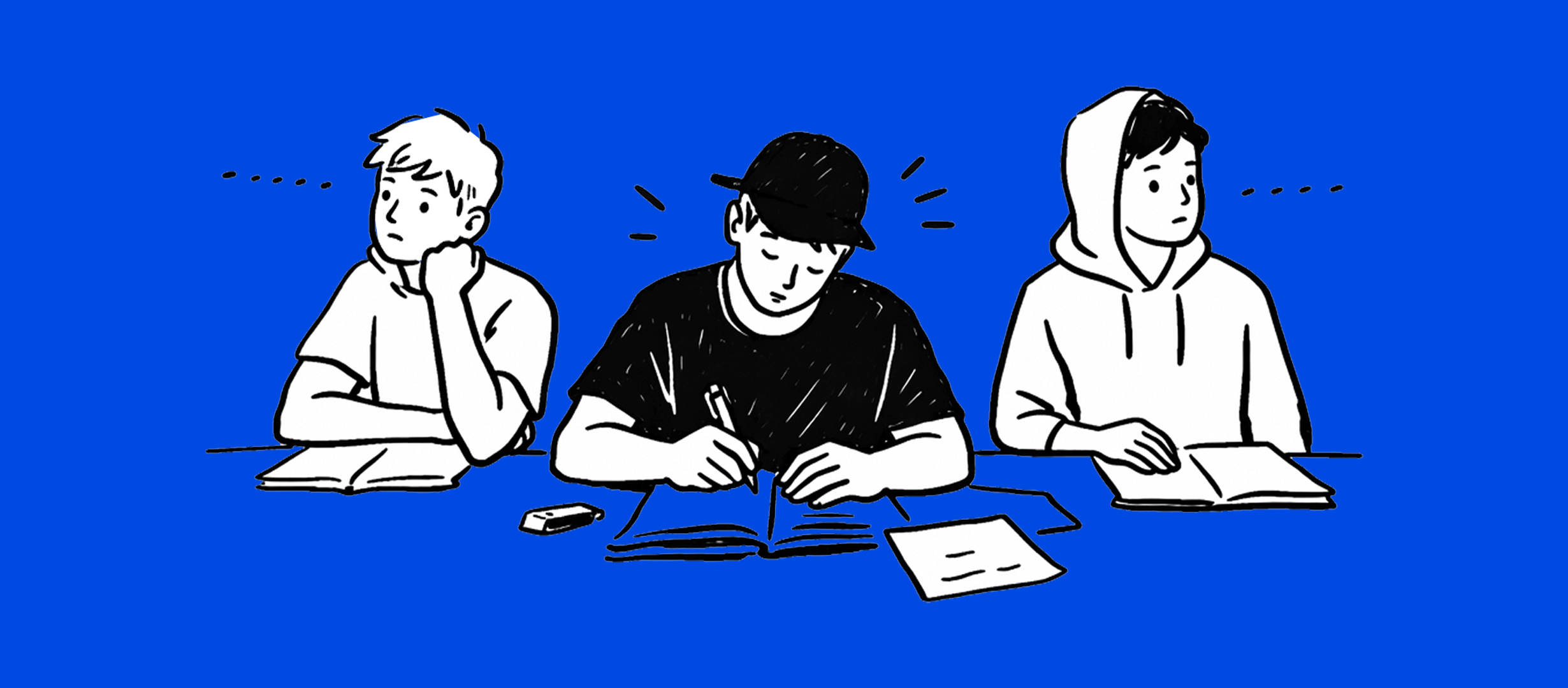
There is a persistent assumption in education that exposure leads to learning.
That if a student sits through the lesson, hears the explanation, and sees a few examples, capability will follow.
For some students, that’s enough.
For many boys, it isn’t.
A consistent finding in educational research is that learning deepens when students are actively involved - when they are required to engage, test ideas, make mistakes, and adjust. Passive exposure can create familiarity. It rarely builds capability.
Barbara Oakley, author of A Mind for Numbers and the widely taught course Learning How to Learn, makes the distinction clearly: understanding something when it’s explained is not the same as being able to do it independently. That gap only closes through deliberate practice.
This is where many boys come unstuck. They sit through lessons, follow along, and even feel like they understand. But when the structure is removed and they are asked to apply that knowledge on their own, the floor drops away.
Not because they weren’t paying attention. Because they haven’t yet built the underlying process. It's the difference between being shown how to ride a bike - and actually riding a bike.
In school, movement, challenge, and competition are often dismissed as distractions. In reality, they are frequently the mechanism through which boys' engagement and retention improve. When a student has to build something, solve something, explain something, or adapt under pressure, the learning becomes active and more durable.
What looks like energy or restlessness is often a signal: the learning needs to be more participatory.
The implication is straightforward, but often overlooked.
Learning is not primarily about exposure.
It is about what a student can do when the explanation is no longer in front of them.